

West Virginia’s modern automotive industry has been a rock‑solid pillar of our state’s economy for more than 30 years.
The turning point came in 1996, when Toyota announced it would build a new facility in Putnam County, what we now know as Toyota Motor Manufacturing West Virginia. That single decision set off a wave of investment. Others soon followed Toyota’s lead and planted roots here: Gestamp’s automotive stamping plant in South Charleston in 2012; Diamond Electric producing ignition coils; K.S. Group with precision metal stamping and injection molding; and Rubberlite in Huntington, manufacturing rubber and plastic foam products.
International investment continued to grow. Hino Trucks, which is another major Japanese company, assembled class 6–7 trucks here. Niterra brought spark plug and oxygen sensor production. Italian manufacturer Sogefi added design and manufacturing of engine filtration systems to the mix.
One thing has been consistent: the companies that choose West Virginia don’t just show up, they evolve, innovate, and keep reinventing themselves.
Toyota is a perfect example. In November 2025, the company announced a $453 million investment to expand hybrid engine and transaxle production, creating 80 new jobs. Earlier that year, Toyota committed another $88 million for next‑generation hybrid transaxles. These moves reflect Toyota’s growing focus on electrified vehicle components, and they push its total investment in West Virginia past $2.8 billion.
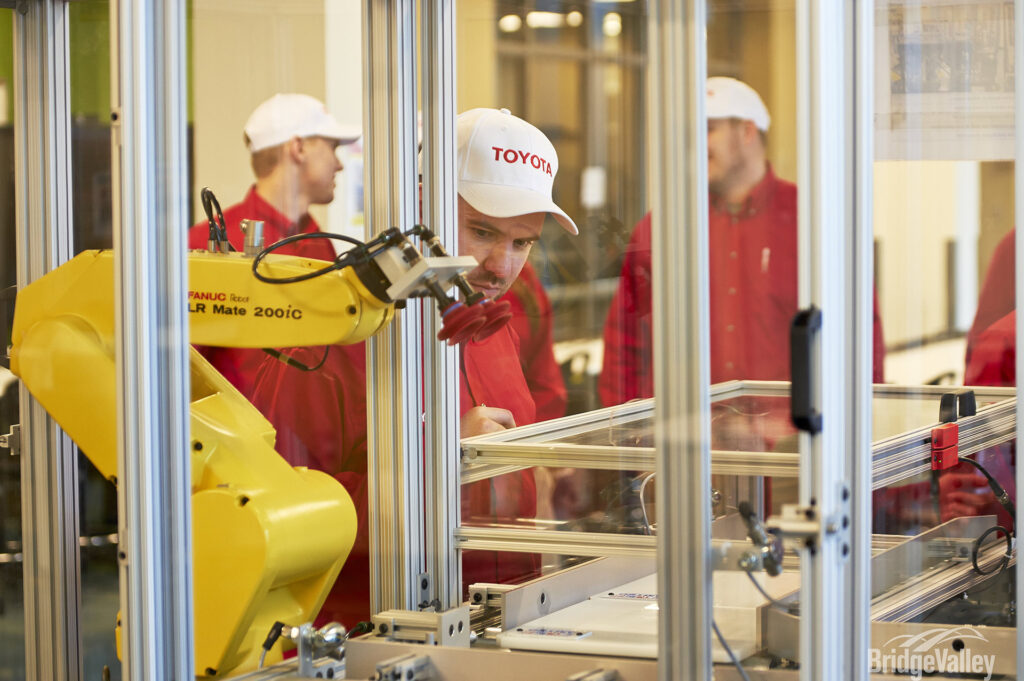
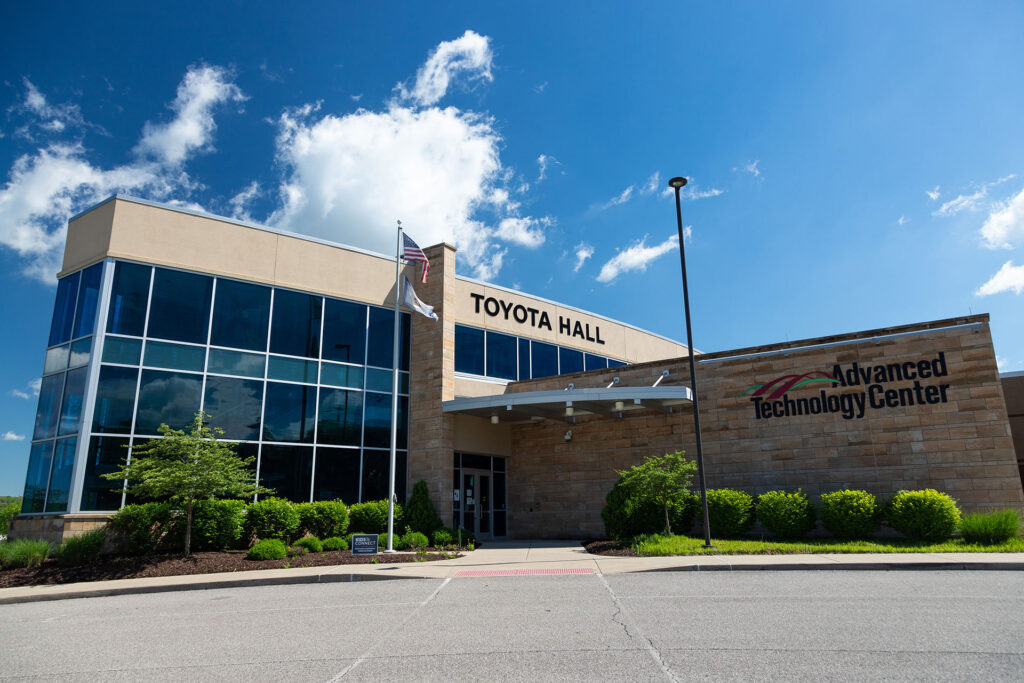
A major reason these companies succeed here is our workforce. West Virginia’s education and training ecosystem keeps a steady pipeline of skilled talent moving into the industry. West Virginia University, Marshall University, and other institutions offer strong engineering programs. BridgeValley Community & Technical College’s Advanced Technology Center provides two‑year degrees and customized training tailored specifically to automotive employers.
These employees are able to stack several of our workforce development tools together to leverage cost savings on their end, while developing top talent. The Governor’s Guaranteed Workforce Program, managed by the WV Division of Economic Development, offers up to $2,000 per employee for training annually. Combining this with Learn & Earn, students work for a company while completing their training, and their pay is split 50/50 between the employer and the CTC. Students earn at least $15 per hour while gaining experience in the field they’re studying.
And of course, West Virginia’s strategic location doesn’t hurt. We sit within close reach of major assembly plants across the U.S. and Canada, making us an ideal hub for automotive manufacturing and supply chain operations.
But you don’t have to just take our word for it. A closer look inside one of West Virginia’s automotive facilities offers a snapshot of the innovation, precision, and skilled workforce that define the state’s modern automotive industry.
Legal Disclaimer:
EIN Presswire provides this news content "as is" without warranty of any kind. We do not accept any responsibility or liability for the accuracy, content, images, videos, licenses, completeness, legality, or reliability of the information contained in this article. If you have any complaints or copyright issues related to this article, kindly contact the author above.
